
blue float glass
The Versatility of a Small Welding Table Welding is an essential process in various industries, from automotive repair to construction and metal fabrication. For hobbyists and professionals alike, having the right equipment can make all the difference in the quality and efficiency of their work. One crucial piece of equipment that often goes overlooked is the small welding table. While it might seem like a minor tool, a small welding table can significantly enhance your welding experience. Compact Design and Portability One of the primary advantages of a small welding table is its compact size. Unlike traditional, larger welding tables, which can take up a significant amount of space, small welding tables are designed to fit seamlessly into smaller workshops or garages. This is particularly beneficial for hobbyists working from home or in limited spaces, allowing them to maximize their available area. Additionally, many small welding tables are lightweight and portable, making it easy to transport them to various job sites or projects. Enhanced Precision and Control A small welding table provides a stable and level surface, which is essential for precise welding operations. Whether you are working on intricate designs or larger projects, having a sturdy base to secure your materials can help ensure consistent quality. Many of these tables come equipped with clamping systems or vices, allowing you to hold your workpiece securely in place while you wield your torch. This enhanced control not only improves the accuracy of your welds but also increases safety by minimizing the risk of accidents. small welding table Versatile Applications Contrary to the assumption that small welding tables are only suitable for minor projects, they are incredibly versatile. They can accommodate a wide range of welding techniques, including MIG, TIG, and stick welding. Additionally, many small welding tables feature modular designs or foldable components, enabling users to adapt the table for different projects or welding styles. From crafting metal sculptures to repairing automotive parts, the versatility of a small welding table makes it an indispensable tool for any welder. Cost-Effective Option For those just starting in the welding field or anyone on a budget, small welding tables present a cost-effective solution. They typically represent a good balance between quality and affordability, making them accessible for hobbyists and professionals alike. With a small investment, welders can elevate their work environment and improve their output quality. Conclusion In summary, a small welding table is an invaluable addition to any welding setup. Its compact design, portability, and versatility cater to both experienced welders and beginners alike. By providing a stable work surface, enhancing precision, and accommodating various welding techniques, a small welding table can significantly impact the quality of your projects. With an array of options available on the market, choosing the right small welding table can take your welding skills to new heights, making it a worthy investment for anyone involved in metalworking. Whether you are crafting a masterpiece or simply fixing a broken piece of equipment, a small welding table can serve as a reliable and essential tool in your workshop.
about
blue float glass
The Importance and Applications of Small Ground Anchors In the field of civil engineering and construction, ground anchors play a pivotal role in ensuring the stability and integrity of structures. Among the various types of anchors, small ground anchors are particularly noteworthy due to their versatility and effectiveness in various applications, ranging from retaining walls to temporary structures. This article explores the significance of small ground anchors, their applications, installation methods, and advantages. What are Small Ground Anchors? Small ground anchors, also known as soil anchors or tieback anchors, are systems used to provide additional stability to structures by anchoring them into the ground. These anchors can be made from various materials, including steel or concrete, and typically consist of two main components the anchor body itself and a corresponding tensioned component, such as a cable or rod. They work by transferring loads from a structure to the surrounding soil, effectively counteracting lateral forces and enhancing overall structural support. Applications of Small Ground Anchors One of the most common applications for small ground anchors is in the stabilization of retaining walls. Retaining walls are structures designed to hold back soil and prevent erosion, and small anchors can be used to provide additional support, particularly in cases where the wall is subjected to significant lateral pressure. By anchoring the wall to the stable ground further back, the risk of wall failure can be substantially reduced. Another application of small ground anchors is in temporary structures, such as during construction or excavation projects. During these operations, various structures may need to be stabilized against gravitational and lateral forces. Temporary anchors can be quickly installed and removed, providing a cost-effective solution for maintaining safety during construction activities. Small ground anchors are also used in various recreational projects, such as securing tents or canopies in outdoor events. Their lightweight design and ease of installation make them ideal for applications requiring portability and quick deployment. Installation Methods small ground anchors The installation of small ground anchors typically involves four main steps site assessment, drilling, placing the anchor, and tensioning. 1. Site Assessment Before installation begins, a thorough site assessment is conducted to analyze soil conditions. Understanding the soil type, density, and moisture content is crucial for determining the appropriate anchor size and type. 2. Drilling Once the assessment is complete, a hole is drilled into the ground to accommodate the anchor. The depth and diameter of the hole will vary based on anchor specifications and soil conditions. 3. Placing the Anchor The anchor is placed in the drilled hole. Depending on the design, it may be connected to a tensioning device or left in place to establish load-bearing capacity. 4. Tensioning After the anchor is installed, it is tensioned to ensure optimal load transfer. This step may involve the use of hydraulic equipment to achieve the required tension levels. Advantages of Small Ground Anchors The use of small ground anchors comes with numerous advantages. Firstly, they require minimal site disruption compared to traditional foundations, making them an ideal choice for urban or sensitive environments. Additionally, their compact size allows for flexible applications in tight spaces where larger anchors would be impractical. Moreover, small ground anchors are cost-effective solutions for stabilizing structures. They can often be installed relatively quickly, reducing labor costs and downtime on projects. Their modular design means that they can be adapted to a variety of situations without needing extensive modifications. In conclusion, small ground anchors are essential components in modern construction and civil engineering. Their versatility, ease of use, and effectiveness in enhancing structural stability make them a preferred choice in a wide range of applications. Whether stabilizing retaining walls, supporting temporary structures, or securing outdoor installations, small ground anchors provide reliable and efficient solutions for ensuring safety and stability in an ever-evolving construction landscape.
-

High quality industrial productsagement

High quality industrial products
View Details -

Meet the diverse needs of customers

Meet the diverse needs of customers
View Details -

Strict quality control

Strict quality control
View Details -

Top raw materials

Top raw materials
View Details -

Trusted supplier

Trusted supplier
View Details
Our application



news and information
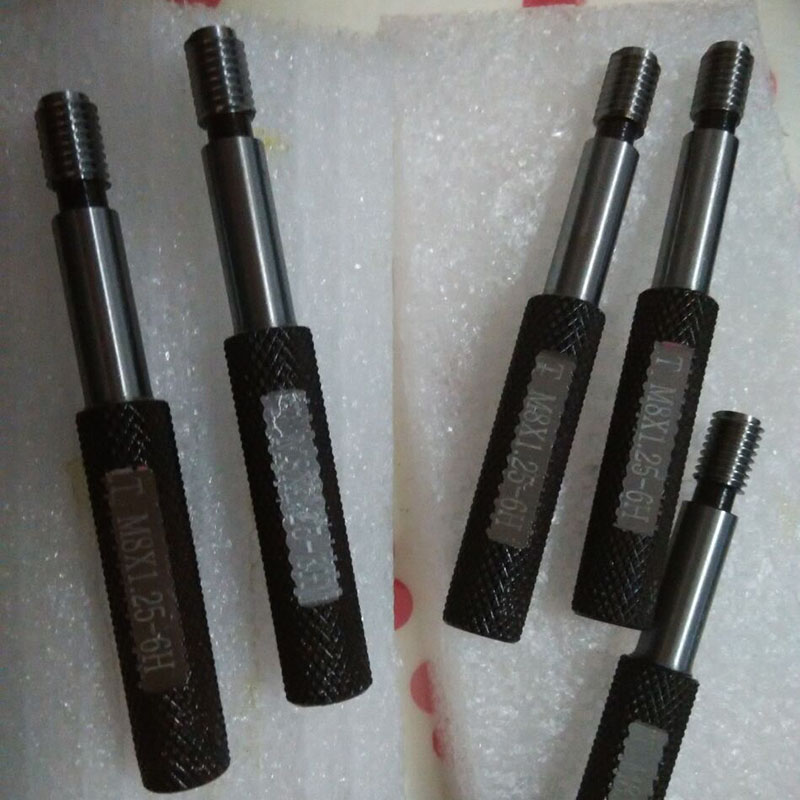
Verkauf von präzisen Stiftmessgeräten für industrielle Anwendungen und Qualitätskontrolle
Pin-Gauges zum Verkauf Präzision und Qualität für Ihre Fertigung In der modernen Fertigungsindustrie
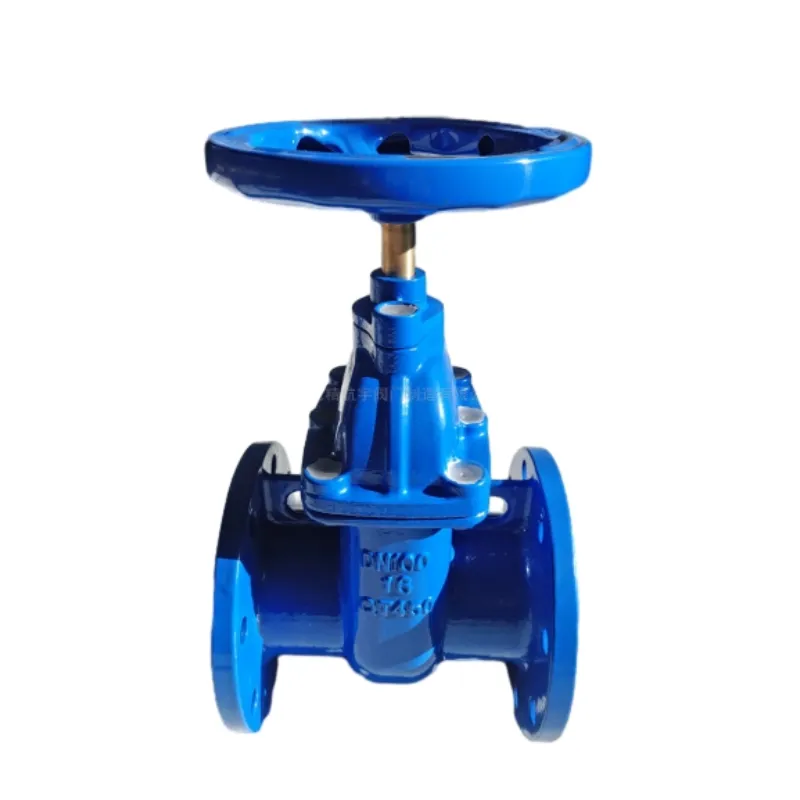
y strainer pn16
Understanding Y-Strainers and Their Importance in PN16 Applications In industrial applications, flui

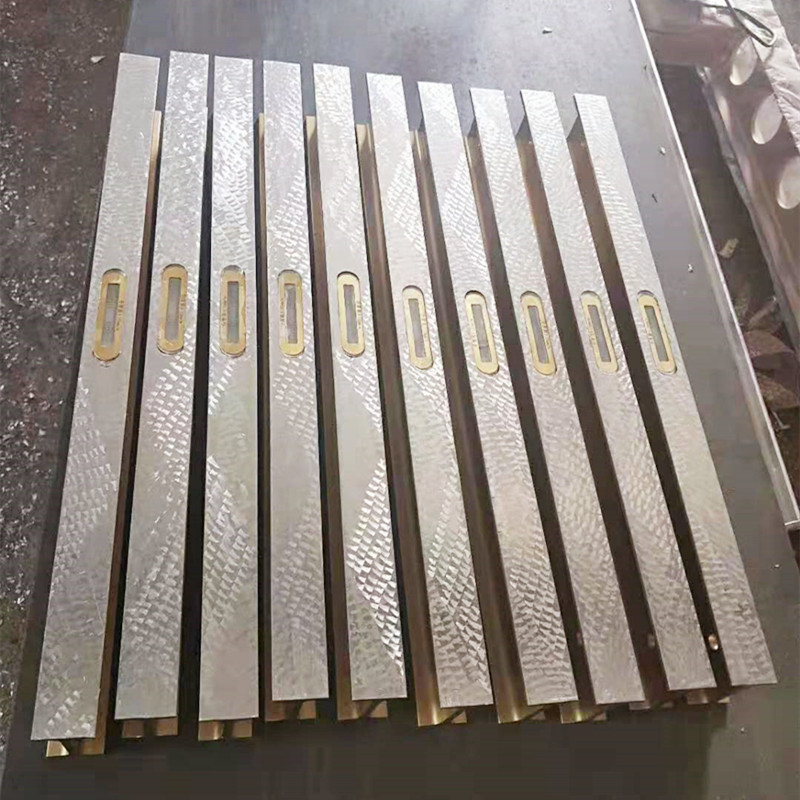
V-Block Technology Revolutionizing Manufacturing Precision and Efficiency
The Paradox of V Block V Block Navigating the Dual Realities of Virtual and Physical Worlds In the
 English